

What is Community Acupuncture? Community acupuncture is practiced in a shared, quiet room using recliners and zero-gravity chairs rather than private rooms and tables. Treatments focus on distal points (arms, legs, head), so no gowns are needed—just remove shoes/socks and roll up sleeves and pant legs. This setting is calming, affordable, and effective. Patients may rest with needles anywhere from 20 minutes to an hour and decide for themselves when they’re done. Many people relax deeply or fall asleep.
Is acupuncture safe? Yes. Acupuncture uses sterile, single-use, FDA-approved needles and is performed by licensed practitioners. Side effects are rare and mild; occasional small bruising can occur.
How many treatments will I need? Acupuncture works best as a series. While rare “one-and-done” results can happen, most people need multiple treatments for lasting improvement. Acute issues resolve faster; chronic conditions take longer. We recommend trying 6–10 treatments before evaluating results.
Why do people get acupuncture? Acupuncture can treat most conditions people see a medical doctor for. Common reasons include:
- Back, neck, shoulder, knee, and hip pain
- Headaches
- Anxiety and depression
- Allergies
- Digestive issues
- Sleep problems
- Fertility concerns
Is acupuncture recognized by the WHO and NIH? Yes. Both the World Health Organization (WHO) and National Institutes of Health (NIH) recognize acupuncture as effective for many conditions, including pain, digestive disorders, mental health concerns, fertility issues, sleep problems, and more.
Do I have to come forever? No. Some people come short-term for a specific issue, others come monthly or weekly for wellness and stress relief. How often—and for how long—is entirely your choice.
What happens during a treatment? At your first visit, you’ll review your health history and goals with the acupuncturist, then receive treatment. You’ll rest with needles for about forty minutes (or shorter or longer if you wish). Follow-up visits involve a brief check-in, then treatment.
 What does acupuncture feel like? Most people feel little to no discomfort. You may feel a brief pinch, warmth, tingling, heaviness, or deep relaxation. Many people fall asleep.
Can acupuncture open my chakras? No. Chakras are part of Ayurvedic medicine, not Chinese medicine. However, acupuncture can help you feel relaxed, balanced, and more aligned.
What do I do if a needle falls out? It happens occasionally, usually from hands or feet if you’re moving around too much. Just note where it fell and we’ll take care of it.
Can I get up to use the restroom with needles in? No. Please use the restroom beforehand. If you urgently need to go, signal the acupuncturist and they’ll remove the needles first.
Can I answer my phone during treatment? No. Phones disrupt the room and your own healing time. You may not answer your phone in the clinic. Please respect the community.
What should I know before my first visit?
- Avoid perfumes, cologne, and smoking beforehand
- Eat a light meal; avoid caffeine for 5 hours
- Wear loose clothing
- Bring completed paperwork (or arrive 10 minutes early to complete it here)
- Bring a list of medications, supplements, conditions, and surgeries
What should I expect after treatment? You may feel immediate relief, subtle changes, or no change at first. Acute issues often improve quickly; chronic issues improve gradually. Only very rarely do people feel temporarily worse for up to 24 hours, usually followed by noticeable improvement.
What should I pay attention to after treatment? Notice changes in your main concern as well as sleep, energy, mood, digestion, and stress levels—especially in the first 24–48 hours.
How do I know if it’s working? Look for improvements in pain, sleep, energy, digestion, mood, or stress resilience. Healing isn’t always linear, but overall progress should trend upward.
Why don’t you use back points? We practice several styles of distal acupuncture, which treats pain and illness using points primarily on the limbs and head. Many effective points for back pain are on the hands and feet, allowing treatment without gowns or exposed bodies.
Should I cancel if I’m sick? If you’re very ill (cold, COVID, flu, especially with vomiting or diarrhea) or feel unsafe driving, please cancel.
What’s the difference between private and community acupuncture? Private acupuncture includes long consultations, private rooms, tables, and extra therapies—and costs more. Community acupuncture focuses on efficient, effective treatment in a shared space, without extras, allowing us to keep care affordable and accessible.
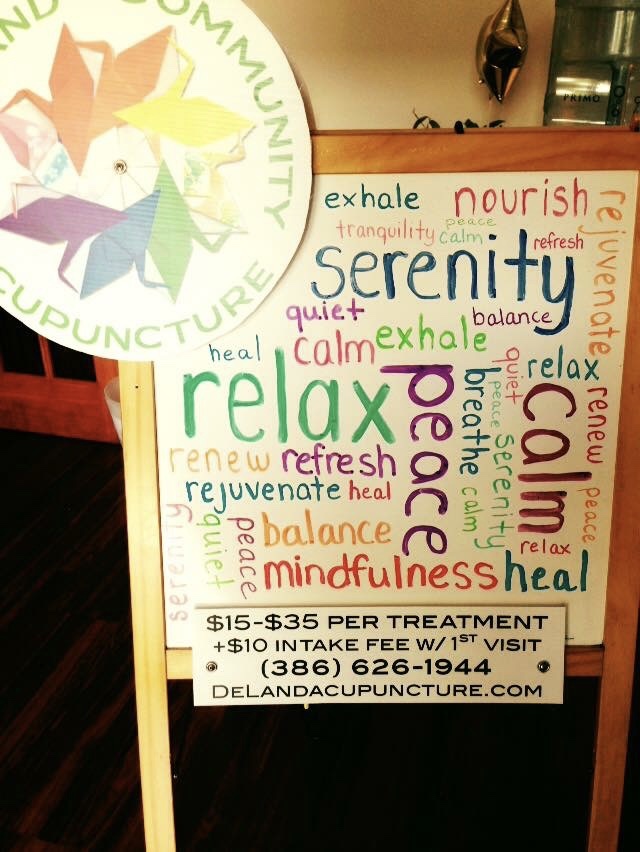
What does “pay what you want” mean? We use a sliding scale of $15–$35 per treatment, plus a one-time $10 paperwork fee. Everyone receives the same quality care regardless of what they pay. We do not accept insurance.
There’s no receptionist—what do I do? Please silence your phone your cell phone before entering the clinic. If you are a new patient, please complete the new patient paperwork. You will find it in the wall pocket next to the French doors. We will be with you shortly. Returning patients may pay for their treatment, then enter the treatment room quietly, and choose a chair. , sit in the waiting room, and complete paperwork if needed.
Do I need to have an appointment? Yes. We do not take walk-ins.
Why doesn’t anyone answer the phone? We are only open twenty-four hours per week and do not have a receptionist. When we are open we are with patients and unable to answer. We encourage online scheduling for booking, changes, and cancellations. We will return your call, but voicemails may take up to 72 hours to return. The fastest way to get in contact with us is via email (delandcomacu@gmail.com).


